Choose the experience before the ticket category
Start by deciding what you want from the day. A reserved grandstand seat offers a defined place to watch and may provide a clear view of a selected section. General viewing access can allow movement between permitted areas, but the actual zones and restrictions vary. Some events offer a combination of seat and wider access. Read the ticket description and terms rather than relying on a category name.
Compare the official venue map, sightlines, shade or shelter information, seat allocation, accessibility features and rules for leaving and returning. A view of one corner may show braking and overtaking attempts; another location may show a longer stretch of track. No single location guarantees a particular race moment. Choose based on comfort, mobility, interest and event rules.
Grandstands and general viewing
Grandstand seating
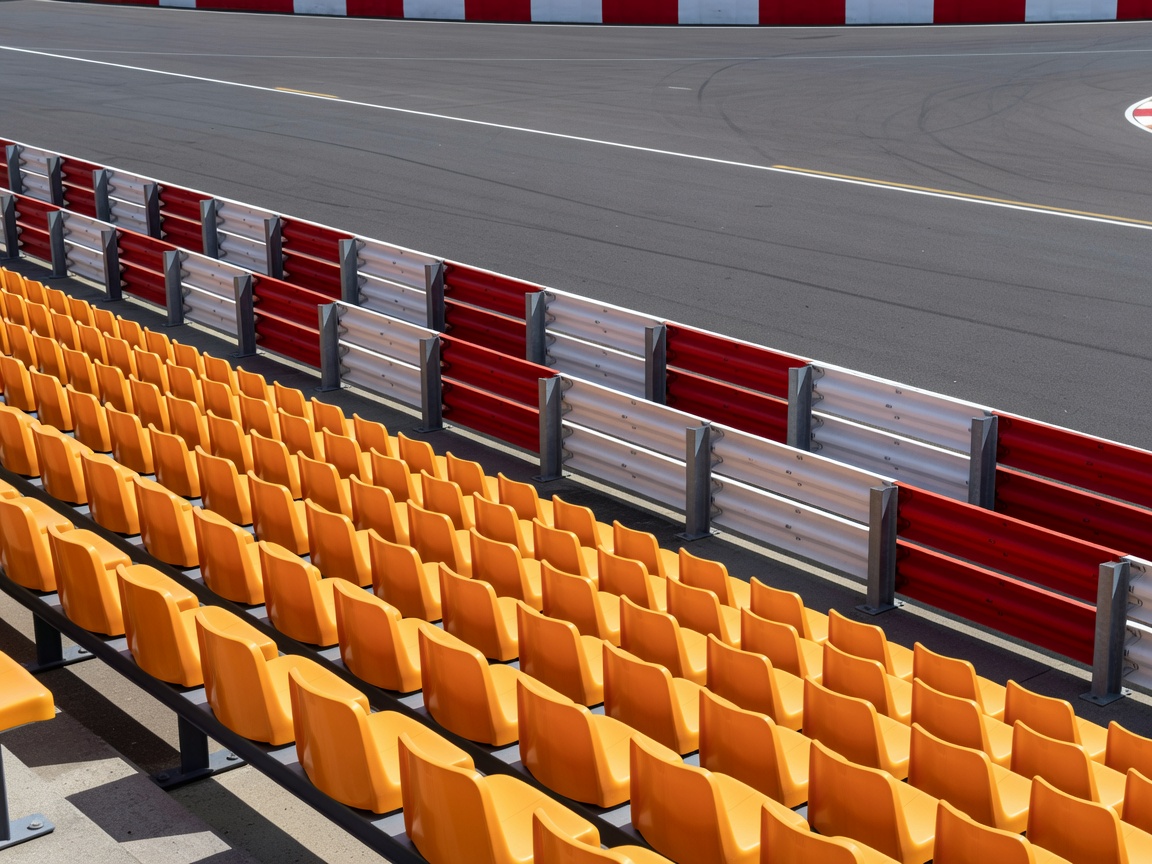
A seat can provide a fixed viewing point and a place to rest. Check whether it is covered, numbered, allocated for a specific day or subject to entry times. Review the route to toilets, food and accessible services. A seat can be less flexible if you want to move around or follow activity elsewhere. Confirm what areas your ticket includes.
General viewing areas
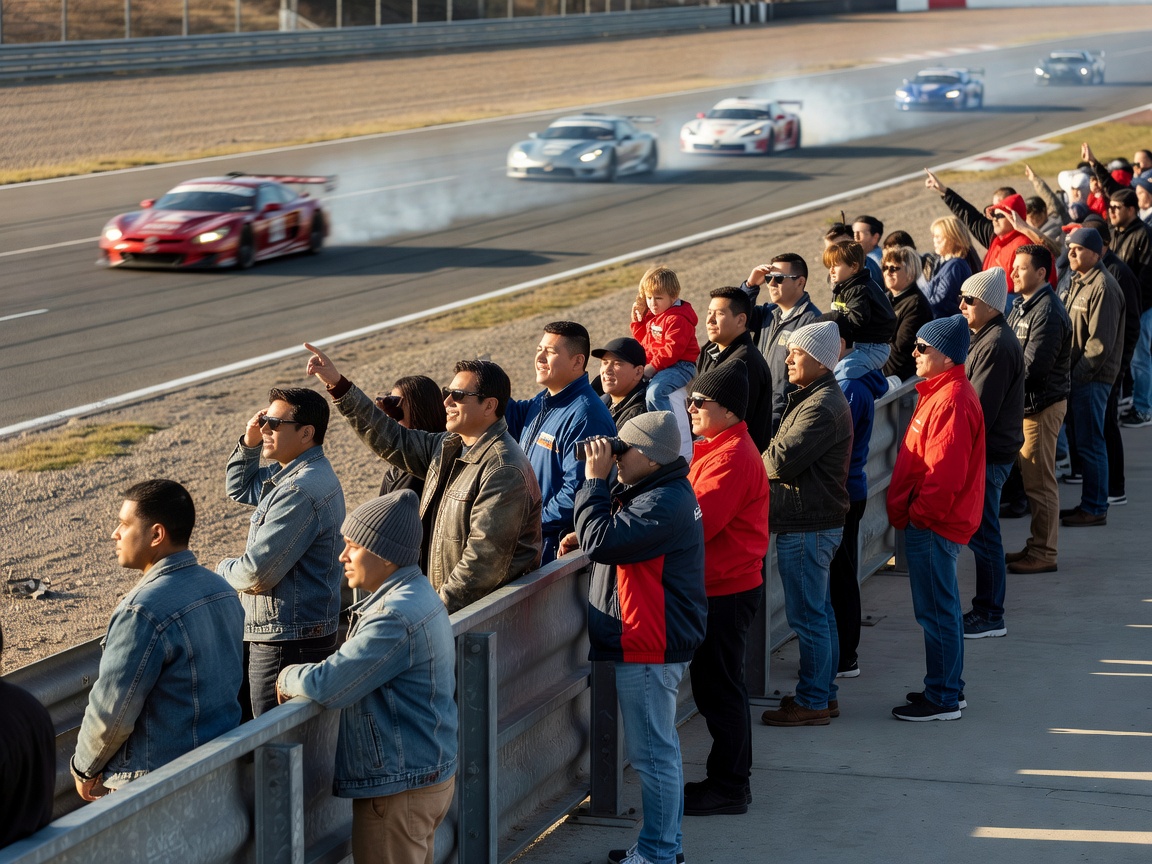
General viewing may suit visitors who prefer to move between public zones. Availability and sightlines depend on the circuit and event. Paths can be uneven, exposed or busy. Read route details and accessibility information before choosing this option. If you travel with children or a group, agree a meeting point and a pace that works for everyone.
Hospitality or other access categories
Some events may offer additional ticket categories with specific services or access restrictions. Do not infer inclusions from promotional names. Review the official description: entry dates, facilities, dress guidance, seating, paddock permissions and cancellation terms. This site does not sell tickets and does not confirm availability or price.
Arrival, walking and orientation
Plan the route from transport drop-off or car park to the gate, then from the gate to your viewing area. A venue map can show distance and barriers, but actual walking time depends on crowds, access controls and the route available. Wear shoes suited to the surface and a full day outside. Build a margin for entry checks, ticket scanning and wayfinding.
Save your ticket and essential information in a format you can access if mobile coverage is weak. Agree a group meeting point that is specific and easy to find. For a large venue, do not use a vague landmark as the only plan. Check the event’s instructions for accessible entry, mobility support, assistance animals and permitted equipment.
Protect hearing and manage weather
Motorsport can be loud. Use suitable hearing protection, especially for children and anyone sensitive to noise. Choose protection that fits correctly and remains comfortable for the time you will wear it. Keep it accessible during sessions. Follow the venue’s safety guidance and do not rely on a grandstand or distance alone to reduce sound exposure.
Outdoor conditions can change during the day. Bring practical layers, rain protection, sun protection and footwear that can handle walking. Check a current forecast before departure, but plan for uncertainty. Keep drinking water available where event rules permit. Review any restrictions on bottles, umbrellas, bags or portable seating. These rules are not the same at every event.
Food, photography and event organisation
Check food and drink policies, concession information and whether outside items are permitted. Do not assume a venue has a particular menu, opening time or payment method. If you need specific food, accessibility support or medication, plan around the organiser’s published rules and contact the venue where necessary.
Photography rules can cover camera size, lenses, tripods, flash and commercial use. Read the event policy before packing. Never lean over barriers, enter restricted areas or block a walkway for a photograph. Take pictures from permitted public areas and respond immediately to marshal or staff instructions. Respect other spectators’ sightlines.
Use official information for schedule changes, safety announcements and access updates. Keep a simple plan for breaks and departure. If travelling as a group, check that everyone knows where to meet if you become separated. Children should have an adult’s contact details in a suitable form.
Leaving the circuit
Departure can be busy. Check the official transport plan and last connection before the day begins. If driving, remember where the vehicle is parked and follow the directed exit route. Avoid unsafe shortcuts or stopping in traffic lanes. A delayed departure may be more manageable than rushing into a congested route; decide based on official instructions and your transport arrangements.
Compare ticket options by total effort, not only by a label. Include access, walking, comfort, schedule flexibility, viewing preferences and the needs of your group. A low-cost category is not useful if it does not provide the access or seating you need. A premium option is not automatically necessary if public viewing suits your plans.
Good for
- First-time attendees choosing a ticket category.
- Families and groups coordinating arrival, viewing and meeting points.
- Visitors who need to assess walking, access and seating before travel.
- Anyone preparing for an outdoor day with noise and changing weather.
What to know
- Ticket access, prices, viewing areas and availability are event-specific.
- Grandstand seats and general viewing have different trade-offs.
- Maps, rules and schedules can change; use current organiser information.
- Never cross barriers, enter closed areas or ignore staff instructions.
Practical checklist
- Read current ticket terms, venue map and accessibility information.
- Check entry gate, arrival plan, parking or return transport.
- Pack hearing protection, weather layers, water where permitted and walking shoes.
- Confirm camera, bag, food and drink rules.
- Save tickets offline and set a clear group meeting point.
- Plan a safe, unhurried route out of the venue.