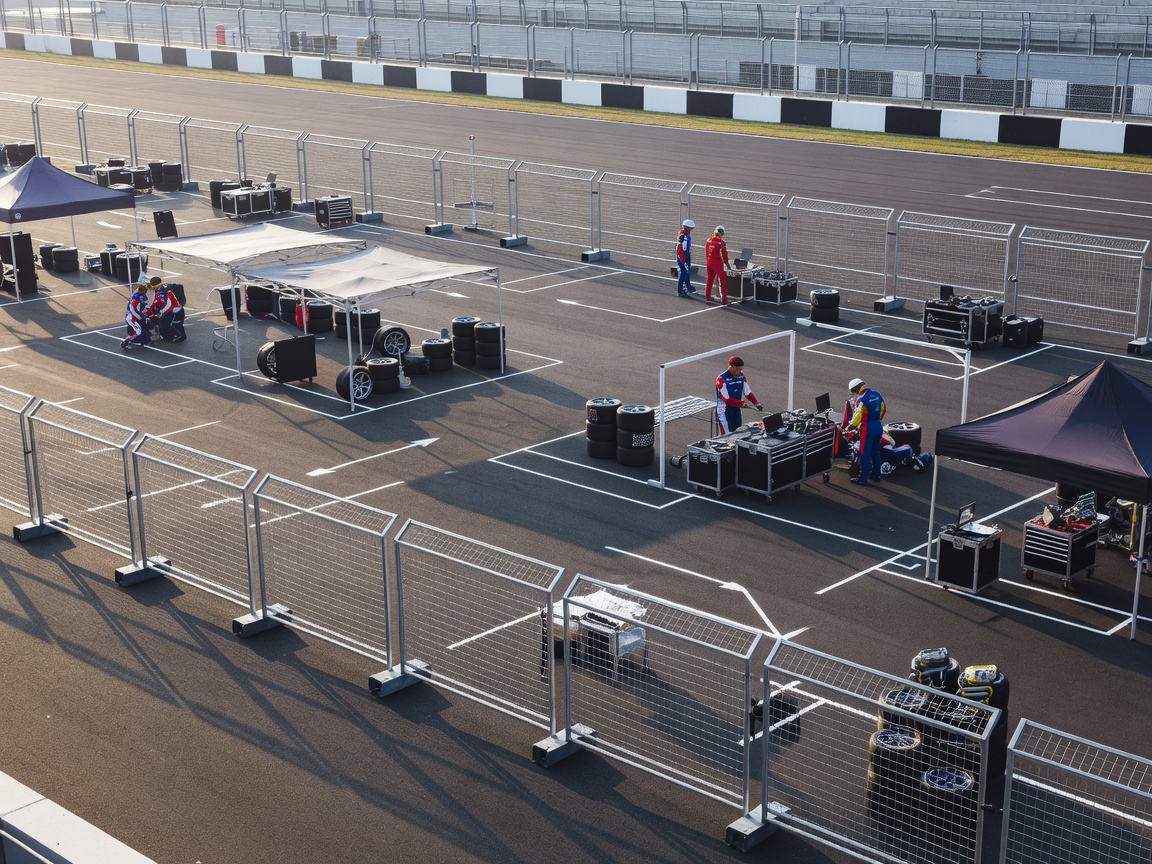
One event, several kinds of track activity
A race weekend is usually a programme rather than a single start. The format depends on the series, venue, event length and organiser. Practice may allow competitors to learn conditions and adjust a car. Qualifying establishes a starting order under the relevant rules. Support categories add other forms of competition to the programme. A feature or main race may be the headline session, but it is not necessarily the only useful one to watch.
This guide explains common terms, not a guaranteed timetable. Session order, access, break length and paddock rules vary. Always use the current event schedule and instructions from the organiser. We are an independent information guide and do not organise or represent events.
Know what each session does
Practice
Practice is a track session used to prepare for competition. It can include installation laps, systems checks, setup work or longer runs, depending on the rules and team plan. For spectators, it is a chance to observe different lines, traffic and vehicle behaviour without assuming that every lap is a competitive attempt.
Qualifying
Qualifying determines a grid position or contributes to one, as defined by a series’ regulations. The format can differ: a timed session, multiple segments or another approved method. A strong lap is not the same as a race result. If you want to follow the process, check the event programme and official results source rather than relying on informal trackside interpretation.
Support races
Support categories are races that run alongside a headline event. They may feature different vehicle types, formats or competitive levels. Their session times can make the day feel continuous, but gaps are still possible. Read the programme before choosing when to eat, move between viewing areas or leave your seat.
Main race
The main race is often the central session promoted for the event, but its rules and length are series-specific. Start procedure, pit stops, safety-car rules and race duration can differ. A spectator does not need to know every regulation to enjoy the event. A short programme note or official explainer can clarify what matters.
Build a viewing plan, not a minute-by-minute script
Start with the sessions you care about. Mark those on the organiser’s published timetable and add arrival, entry, walking, food and rest as separate blocks. Keep slack between them. Moving across a venue can take longer than a map suggests, especially where routes are one-way or viewing zones are separated.
Choose one reliable viewing base, then add a second location only if the published access map makes the walk realistic. Some ticket types may specify a seat or zone; others may permit broader access. Read the ticket terms and venue map. Do not assume a pass includes paddock access, a grandstand seat or every spectator area.

Plan breaks and practical logistics
Food, water and toilet access matter during a long day. Check the venue’s current facilities map and rules on bringing food or drink. Carry only what is permitted and manageable. Ear protection should be easy to reach, not buried under a rain jacket. A small portable power bank can help if you use a phone for tickets and maps, subject to event rules.
Arrival planning begins outside the gate. Check travel guidance, entry procedures, parking allocation and any public transport or shuttle information published for that event. There is no universal arrival window. Give yourself a margin for queues, security checks and walking to your chosen area. Do not rely on a past year’s parking arrangement as a current instruction.
Weather and changing programmes
Outdoor schedules can change because of weather, safety decisions or operational needs. A printed programme may not show later updates. Check official information before departure and during the event. Pack clothing that works in rain and sun, plus footwear for long periods on hard surfaces or uneven paths. Keep a flexible plan for delays; a postponed session may shift meals and transport timing.
Do not treat a programme as a promise that every session will run at its planned time. If a session is important to your trip, know where official announcements are published and what your ticket terms say about changes. The organiser is the source for current schedules and event policies.
Good for
- First-time visitors who want to understand the difference between sessions.
- Spectators planning a full day around a headline race and support programme.
- Groups who need agreed meeting points and breaks.
- Visitors comparing event formats without assuming a particular series schedule.
What to know
- Weekend formats and timetable details vary by event.
- Support races are not filler; they can make up a large share of the programme.
- Ticket access, paddock rules and seat allocation are event-specific.
- We do not publish current dates, prices or availability.
Practical checklist
- Open the current official schedule and note the sessions you want to see.
- Read ticket conditions, map, bag policy and access instructions.
- Plan arrival, walking time, food, water and rest breaks.
- Pack hearing protection, weather layers and comfortable footwear.
- Save official update channels and a meeting point for your group.