Start with the layout, not the reputation
A circuit is more than its longest straight or best-known corner. For a spectator, layout affects sightlines, walking routes and how much of a lap can be seen from one place. For a driver on an authorised closed-circuit activity, it affects the rhythm and concentration required. For a trip planner, venue scale can change how early to arrive and how much time to leave between parking and a chosen viewing area.
Use the event or venue’s current map as your reference. A general circuit description cannot confirm which sections are open to spectators, which facilities are available, or whether an activity uses the full course. Access may depend on the event, safety restrictions and operating arrangements.
Four useful layout categories
Technical circuits
Technical layouts usually place emphasis on linked corners, changes of direction and braking zones rather than uninterrupted speed. They can reward close observation: watch how a vehicle settles between turns, rather than looking only at the fastest-looking point. The trade-off is that a spectator may need a good vantage point to understand the sequence. Check sightlines and walking routes on the venue map.
High-speed circuits
High-speed layouts tend to feature longer acceleration zones and fast sections. Trackside sound and vehicle movement can be pronounced. A viewing area near a braking zone may show more changes in speed than a distant straight. Hearing protection is sensible at any loud motorsport event. Do not infer a circuit’s precise speed, lap time or operating format from this broad category.
Mixed-layout circuits
A mixed layout combines faster sections with tighter corners or more complex transitions. It can offer varied viewing choices across an event day. Confirm which viewing areas are included with your ticket and how the venue connects them. A large venue can mean substantial walking, even when two points look close on a map.
Compact circuits
A compact circuit can be easier to understand at a glance and may make a short visit simpler to organise. That does not guarantee convenient access, plentiful parking or a particular view. Check the venue plan, event rules and available transport information before deciding that compact means effortless.
Read the corners and elevation
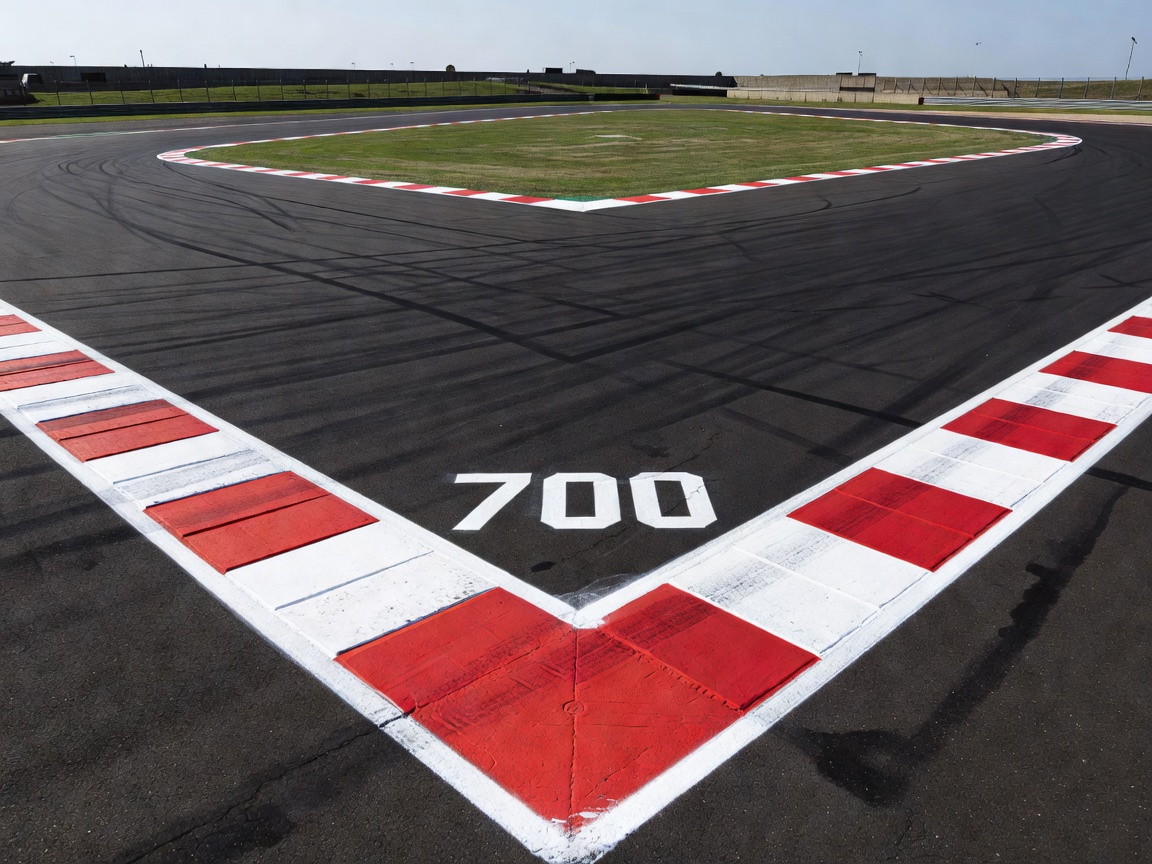
Corner sequences influence what a visitor can see. A hairpin, a tight turn that reverses direction, can make braking and acceleration visible from nearby areas. A sweeping bend may show a longer section of a lap but reveal fewer details of vehicle placement. Linked corners can make one grandstand or embankment more useful than another. These are viewing principles, not promises about any specific circuit.
Elevation changes can hide or reveal sections of track. A crest may interrupt a sightline; a raised spectator area may restore it. Study a current venue map and any published viewing guidance. Never enter restricted areas or cross circuit barriers to improve a view. Marshals, signs and venue staff define safe spectator access.
Facilities and access are event-specific
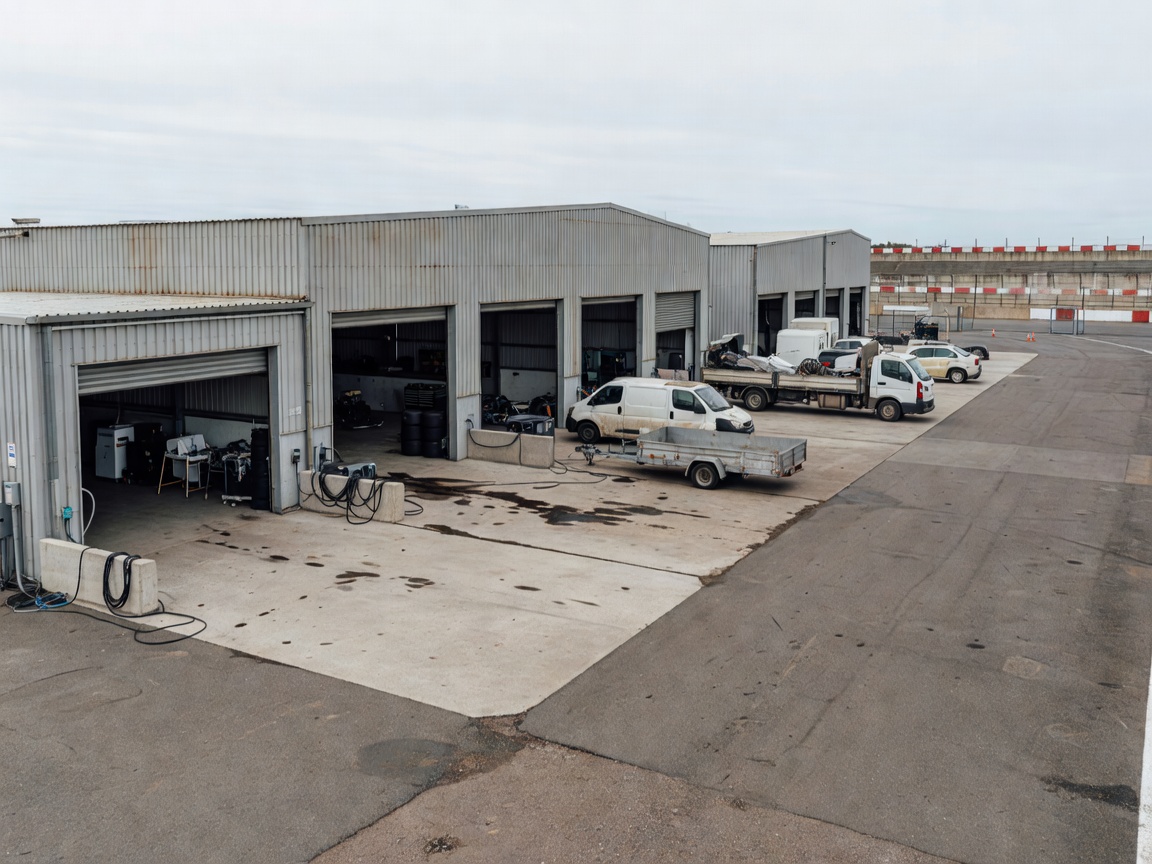
Permanent circuits can include paddock areas, grandstands, public viewing zones, food points, toilets and parking. Their presence, opening and accessibility should not be assumed for every event. Temporary layouts or event rules may change access. Look for an official venue map, accessibility information, entry rules, parking instructions and restrictions on bags or photography.
Check how you will reach the circuit as well as what is inside it. Some venues are outside urban centres. Public transport, shuttle services, parking and walking routes vary. Avoid planning around an assumed train, shuttle or gate time. Follow the current instructions supplied by the venue and event organiser.
Compare circuits with a clear brief
Write down the purpose of your visit first. A first-time spectator may prioritise clear viewing and simple navigation. A photography-focused visitor may need to check camera rules and permitted locations. Someone attending a closed-circuit driving activity should review the organiser’s activity format and safety requirements, not assume that a spectator description explains track access.
Advantages and limits depend on the trip. A large circuit may provide multiple viewing zones and more event infrastructure, but demand more navigation and walking. A compact venue may feel easier to orient, but offer fewer viewing choices. A technical layout can create varied corner action, while a fast layout can make braking points and speed changes a focus. None is universally better.
Good for
- First-time visitors comparing circuit formats.
- Spectators choosing between grandstands and general viewing categories.
- Trip planners checking access, venue scale and walking expectations.
- Track-day participants who need to distinguish the circuit setting from public roads.
What to know
- Layout labels are broad descriptions, not official performance data.
- Facility access and activity formats can change by event.
- Use current official maps and entry instructions for operational details.
- This guide is independent and is not affiliated with a circuit operator or organiser.
Practical checklist
- Find the official venue map and event access notes.
- Confirm permitted viewing areas and any grandstand allocation.
- Check walking routes, accessibility information and parking instructions.
- Pack hearing protection and weather-appropriate layers.
- Save the return route and follow all circuit signs and staff instructions.