Start with the event, then map the journey
Fix the purpose and date of your trip before comparing travel options. Check the event’s own schedule, gate guidance, ticket conditions and venue map. This guide does not publish current event schedules or availability. If the programme is not final, keep travel arrangements flexible and understand the change terms before paying for transport or lodging.
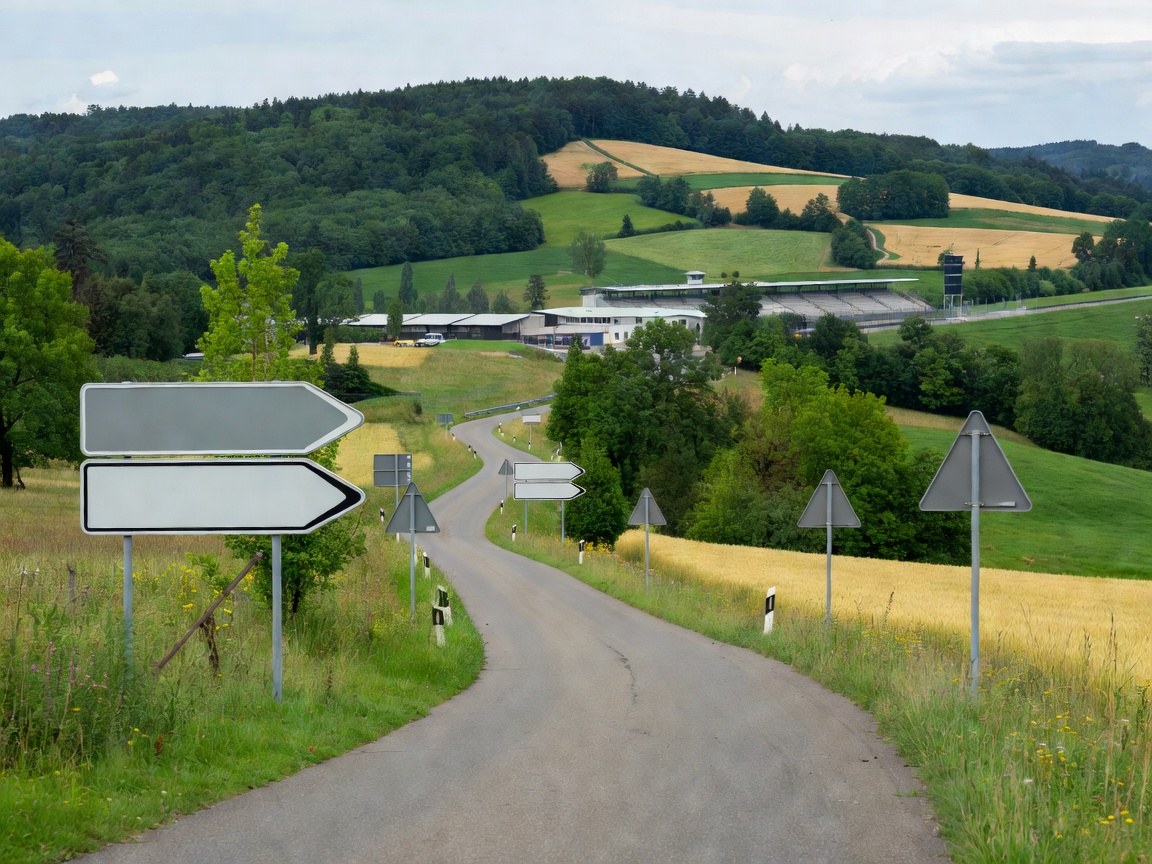
Use an up-to-date route planner for the actual departure point and destination. Compare driving, rail, coach or a combination where relevant. A route that looks short on a map may involve slow rural roads, transfers or a substantial final walk. Do not treat estimated travel time as a guarantee. Check current traffic and road information from appropriate official sources close to departure.
Choose accommodation by function
Consider distance, transport connections, check-in timing, parking, cancellation terms and the time you need to leave for the venue. A place near a circuit is not automatically the best choice if it has limited transport or unsuitable check-in hours. Accommodation availability and prices change. Confirm directly with the provider and keep booking details accessible offline.
For an early start, consider arriving the previous evening. For a late finish, decide whether to stay nearby or travel onward. Avoid building a plan around fatigue. If you are driving, identify a rested driver and a safe alternative if the return trip becomes too demanding. A shared car needs an agreed departure plan, not a last-minute decision in a crowded car park.
Parking, arrival and the venue approach
Parking may be allocated by ticket, vehicle class, pass or event instruction. Read the current guidance; do not assume a previous year’s entry gate or car park still applies. Save the venue’s official address and any event-specific parking location. A general circuit address can route you to the wrong entrance or a restricted service road.
Choose an arrival window based on the event instructions, your transport mode and the walking distance from access point to viewing area. Leave margin for queues, checks and wayfinding. If travelling by public transport, verify the last connection as well as the outward journey. Check whether shuttle services exist for your event rather than assuming they operate.
Fuel, food and what to carry
For a road trip, plan fuel stops around your vehicle, route and personal comfort. Fuel prices and station hours change; check current services on your route. Do not arrive at a remote destination relying on one unverified stop. Keep the vehicle’s fuel range in mind while following normal road rules. Never race between stops or use a circuit trip as a reason to speed.
Check the event’s food, drink and bag policies. Venue concessions, opening arrangements and permitted items can vary. Carry water where allowed and plan a meal break around the schedule. Pack weather layers, comfortable walking shoes, hearing protection and any ticket or travel documents. Keep essentials in a manageable bag that meets the event’s published restrictions.
Weather and contingencies
Outdoor events can involve rain, wind, sun or temperature changes. Check a current forecast close to travel, but do not treat any forecast as certain. Choose layers and footwear that work across a range of conditions. Protect phones and documents from rain. If severe conditions affect travel or the event, follow official local and organiser information.
Make a simple contingency plan: an alternative route, a backup transport option, a meeting point, and a way to access booking and ticket details if mobile service is weak. Save key information offline. Know how to contact your accommodation and transport provider. Keep a small buffer in the schedule rather than booking every hour tightly.
Plan the departure before you arrive
Leaving can take time. Crowds, parking exit routes and transport connections may slow the return. Decide whether to depart after a session, wait for traffic to ease where safe and practical, or stay overnight. Follow staff instructions; do not use unofficial exits or stop in restricted lanes. If you are driving, take a break if tired and never drive after alcohol or when unfit.
For a multi-day trip, separate the event plan from the wider travel plan. Keep accommodation confirmation, route details and emergency contacts in one place. Make room for delays, schedule changes and rest. Flexibility is more valuable than a precise itinerary that depends on every connection working perfectly.
Good for
- Visitors travelling to a circuit outside a major city.
- Groups coordinating separate transport or accommodation bookings.
- First-time attendees preparing for parking, walking and an outdoor day.
- Anyone who wants a robust return plan rather than a rushed departure.
What to know
- Road conditions, routes, transport services and weather can change.
- Parking instructions and venue entrances may be event-specific.
- Do not rely on old schedules, maps, prices or availability information.
- Always follow road laws. Track activity belongs only in authorised closed-circuit settings.
Practical checklist
- Confirm current event time, venue address, entrance and parking instructions.
- Check transport connections in both directions and plan a backup.
- Confirm accommodation, cancellation terms and check-in requirements.
- Review current route conditions, fuel stops and weather before departure.
- Pack permitted water, weather layers, hearing protection and comfortable shoes.
- Set a meeting point, save details offline and plan a rested return journey.